
Risk controls
Where should an automated workflow stop?
Define operational boundaries before orders can be sent, then make exceptions visible to the person supervising them.
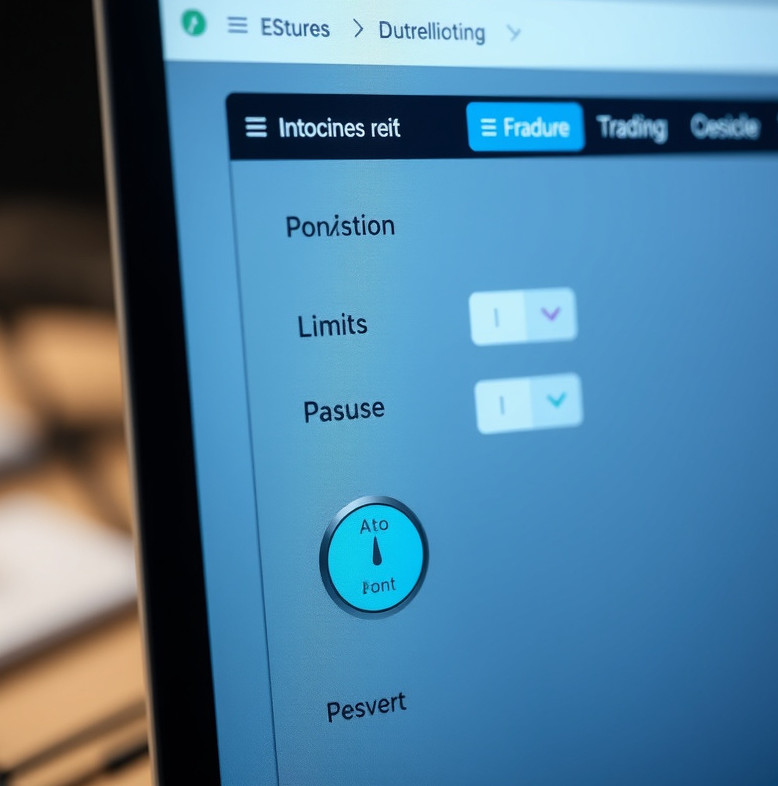
Controls built around your operating rules
We configure available limits for position size, order frequency, trading hours and manual pauses, with alerts for specified failures. The exact controls depend on the workflow and broker interface; a typical configuration and scenario review takes one to two weeks after requirements are agreed. You receive a control register, test scenarios and instructions for changing or pausing settings. These safeguards can constrain software behaviour, but they cannot prevent losses or eliminate gaps in market execution.
Operational limits worth specifying
Each limit needs an owner, a threshold and a response when it is reached.
- Maximum size for any single order
- Maximum number of orders in a period
- Permitted trading hours and instruments
- Response to stale or missing data
- Manual pause and restart permissions
- Alert recipient and escalation route
Controls are not market protection
An order limit can stop a workflow from submitting an instruction outside its configured threshold. It cannot ensure a particular fill price, keep a market open or make a broker connection available. Some events may move faster than an alert can be reviewed. We explain what each control checks, how it is tested and which decisions remain with the operator. If a proposed limit cannot be enforced through the available interface, we say so before setup.
How a control reaches production
Step 1
You identify the operating boundary and the person who can approve a change to it.
Step 2
We map the boundary to available workflow and broker settings, documenting any unsupported condition.
Step 3
We test ordinary and exception scenarios, including whether alerts and pause actions reach the intended operator.
Step 4
The agreed configuration and change procedure are handed over for ongoing supervision.

A useful control has a clear threshold and a clear owner. If either is missing, an alert may create noise without helping anyone decide what to do.
Intersparc product team
Talk through the limits you need
We can review whether your proposed controls can be configured and tested with your workflow.
Discuss risk controls